Because infertilitycomes inmany forms.
Now that I’m 50, I can name, without hesitation, the two great driving forces in my life: fashion and motherhood.
My first son was conceived naturally when I was 36. When I wanted to go through the experience again, at 40, I was diagnosed with secondary infertility. My uterus seemed to be saying: one is enough.
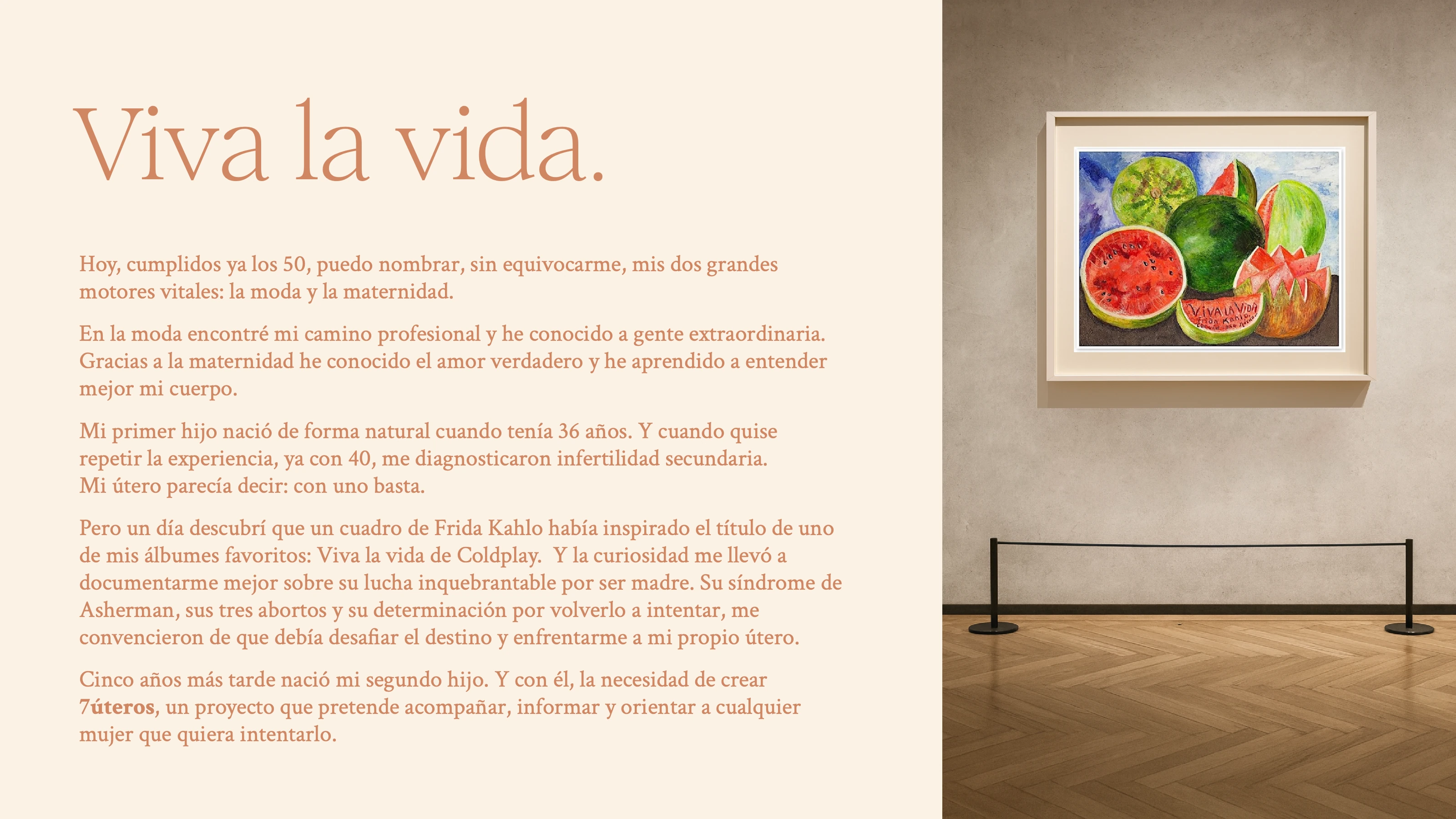
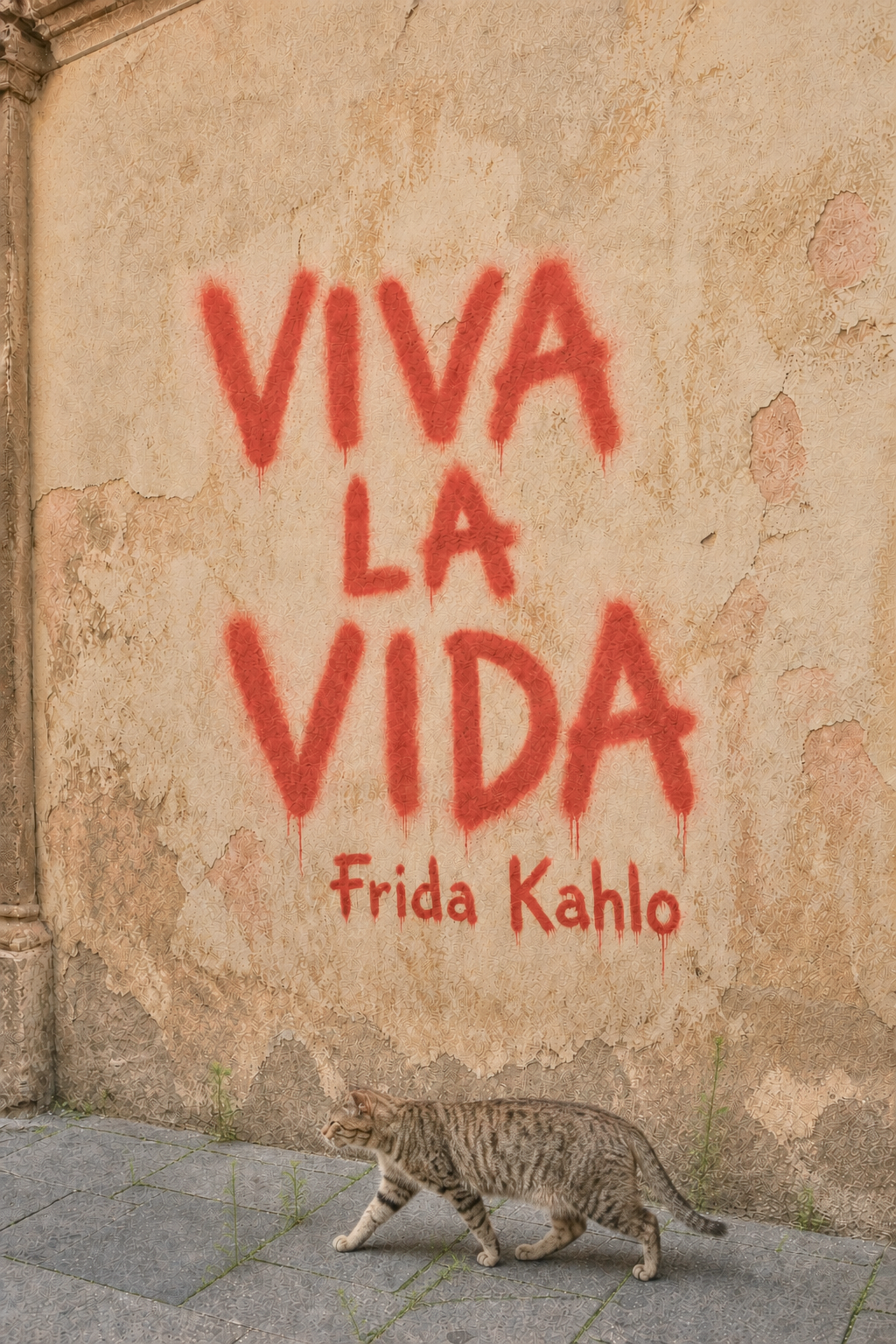
Then one day I discovered that a painting by Frida Kahlo had inspired the title of one of my favourite albums: Viva la Vida by Coldplay. Curiosity led me to learn more about her unwavering struggle to become a mother. Her Asherman syndrome, her three miscarriages and her determination to keep trying convinced me that I had to challenge fate and face my own uterus.
Five years later, my second son was born. And with him came the certainty that there may be only one mother, but there are many paths to becoming one. That experience also gave rise to 7úteros, a project that aims to support, inform and guide any woman who wants to try.
What doyou mean7 uteruses?
For many years, we were led to believe that all our bodies were the same on the inside: one kind of uterus, one way of becoming a mother.
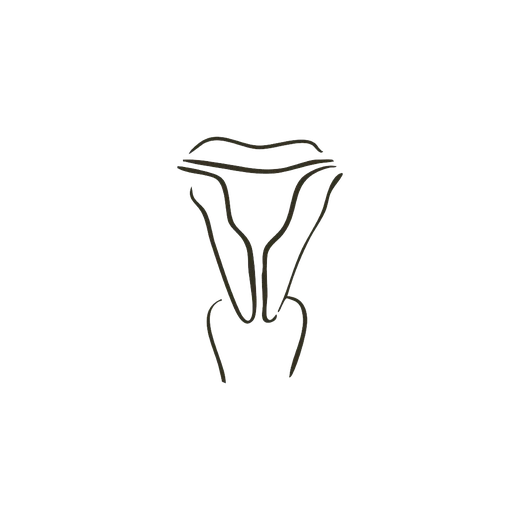
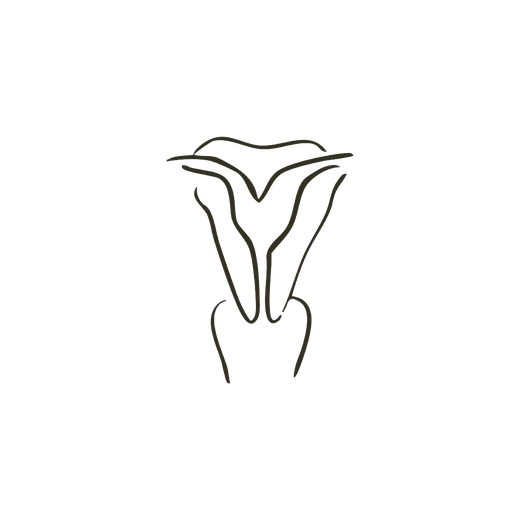
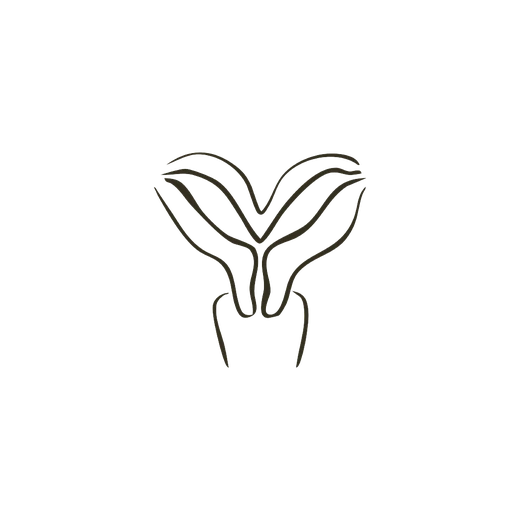
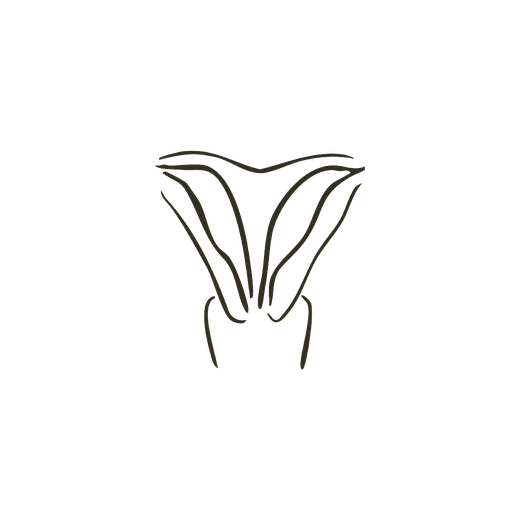
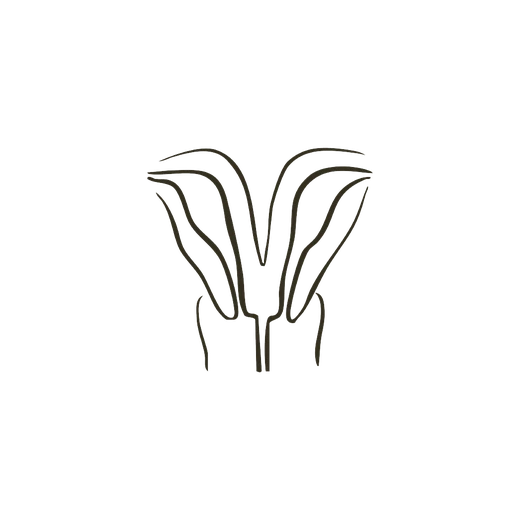
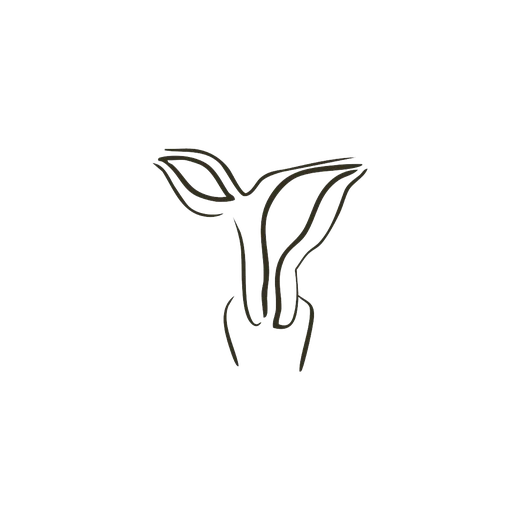
Today we know that is not true. Uteruses come in many different forms — at least seven — and many women only discover this when difficulties arise. Sometimes those difficulties take the form of miscarriages, treatments, frustration or undeserved guilt.
That is why knowing our bodies from the inside matters so much: understanding them changes the way we experience motherhood… and the questions that come before it.

What is a womanlike me doing ina place like this?
7 ÚTEROS
When someone tells me she wants to be a mother, something inside me goes on alert, and I feel the need to share everything I learnt during my experience of secondary infertility.
Today I see things I could not see before. I understand the options, the timing and the different paths much better. And I feel like sharing what I know — it is as simple as that. If the experience left me with one thing, it was this: the peace of mind to support other women from a much calmer and more useful place.

 Email Montserrat Olivero at info@7uteros.com
Because infertilitycomes in many forms.
Now that I’m 50, I can name, without hesitation, the two great driving forces in my life: fashion and motherhood.
My first son was conceived naturally when I was 36. When I wanted to go through the experience again, at 40, I was diagnosed with secondary infertility. My uterus seemed to be saying: one is enough.
Then one day I discovered that a painting by Frida Kahlo had inspired the title of one of my favourite albums: Viva la Vida by Coldplay. Curiosity led me to learn more about her unwavering struggle to become a mother. Her Asherman syndrome, her three miscarriages and her determination to keep trying convinced me that I had to challenge fate and face my own uterus.
Five years later, my second son was born. And with him came the certainty that there may be only one mother, but there are many paths to becoming one. That experience also gave rise to 7úteros, a project that aims to support, inform and guide any woman who wants to try.
What do you mean,7 uteruses?
For many years, we were led to believe that all our bodies were the same on the inside: one kind of uterus, one way of becoming a mother.
Today we know that is not true. Uteruses come in many different forms — at least seven — and many women only discover this when difficulties arise. Sometimes those difficulties take the form of miscarriages, treatments, frustration or undeserved guilt.
That is why knowing our bodies from the inside matters so much: understanding them changes the way we experience motherhood… and the questions that come before it.
What is a womanlike me doing ina place like this?
7 ÚTEROS
When someone tells me she wants to be a mother, something inside me goes on alert, and I feel the need to share everything I learnt during my experience of secondary infertility.
Today I see things I could not see before. I understand the options, the timing and the different paths much better. And I feel like sharing what I know — it is as simple as that. If the experience left me with one thing, it was this: the peace of mind to support other women from a much calmer and more useful place.
Siete Úteros. Because infertility comes in many forms.
A project by Montserrat Olivero.